
BMC (Bulk Moulding Compound)
BMC is a material formed by adding a paste-like mixture of chopped glass fibers..


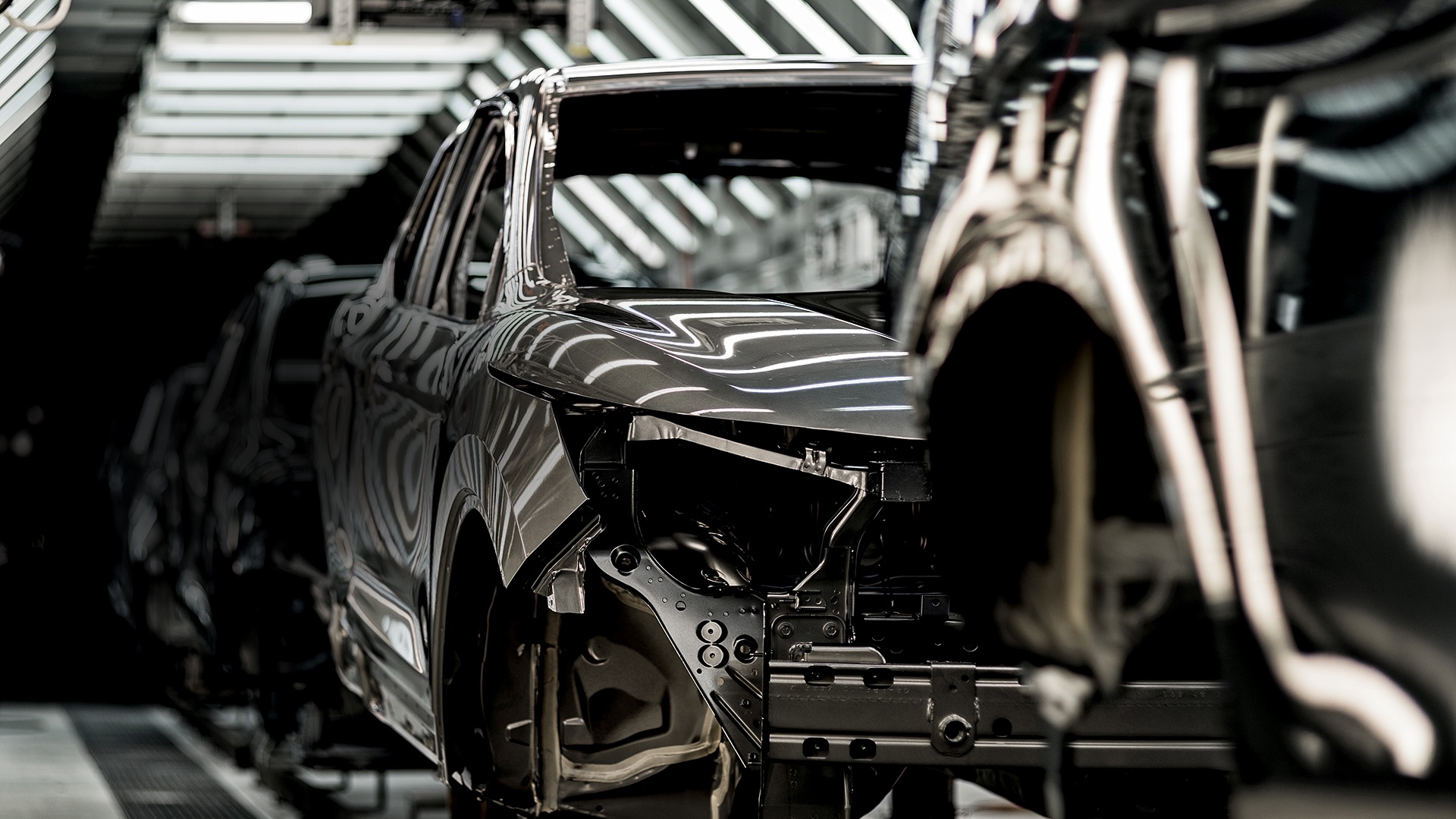
In the automotive industry, composite materials have a strategic importance due to their contribution to achieving high vehicle performance, significantly reducing overall vehicle weight, and enabling more fuel-efficient operation. Reducing vehicle weight not only improves performance but also supports environmental sustainability goals by lowering CO₂ emissions. In this respect, composite materials are increasingly emerging as a more sustainable and environmentally friendly alternative for the automotive sector.
In particular, carbon fiber reinforced composites offer significant advantages compared to traditional materials in automotive applications. These materials can provide weight savings of approximately up to 50% compared to aluminum and up to 75% compared to steel. Thanks to their high strength-to-weight ratio, they enable the development of lighter and more efficient vehicle designs without compromising structural safety.
Today, the use of composite materials in the automotive sector is continuously expanding. Many components, ranging from main structural body elements and exterior body panels to headlamp housings and battery protection systems, are being manufactured from composite materials. These developments clearly demonstrate that composite materials have become one of the fundamental building blocks of innovative designs and advanced engineering solutions in the automotive industry.

Body Parts, Interior Applications

Aerospace Components, Battery Cases

Suspension Components, Nose Cone

Hand Tools, Pipes, Cylinders

Chassis Parts, Body and Parts

Tennis Rackets, Golf and Hockey Clubs

Bumpers, Canopies, Doors, Body Parts

Building Materials, Interior Spaces
